Foundations
14.01.2026

Why Your Smart Home Is Only as Reliable as Your Network

If your smart home feels unreliable, the problem is almost never the devices. It is the network underneath them.

Smart home problems are often blamed on apps, devices, or brands, but the real cause is usually invisible. Every light, sensor, automation, and dashboard depends on a stable network to function correctly. When that foundation is weak, even the most premium systems become unpredictable. This article explains why network reliability matters more than any device choice and why smart homes should always be engineered from the network up.

Most homeowners blame the obvious things when their smart home starts misbehaving.

The app freezes.
The lights miss a command.
The blinds stop responding.
The brand must be the problem.

Almost never.

In practice, the vast majority of smart home failures have nothing to do with the devices themselves. They come down to one invisible layer that everything else depends on: the home network.

At AST, this is not a technical footnote. It is the foundation. And without it, no amount of premium hardware or clever automation will ever deliver a reliable experience.

The uncomfortable truth about smart homes

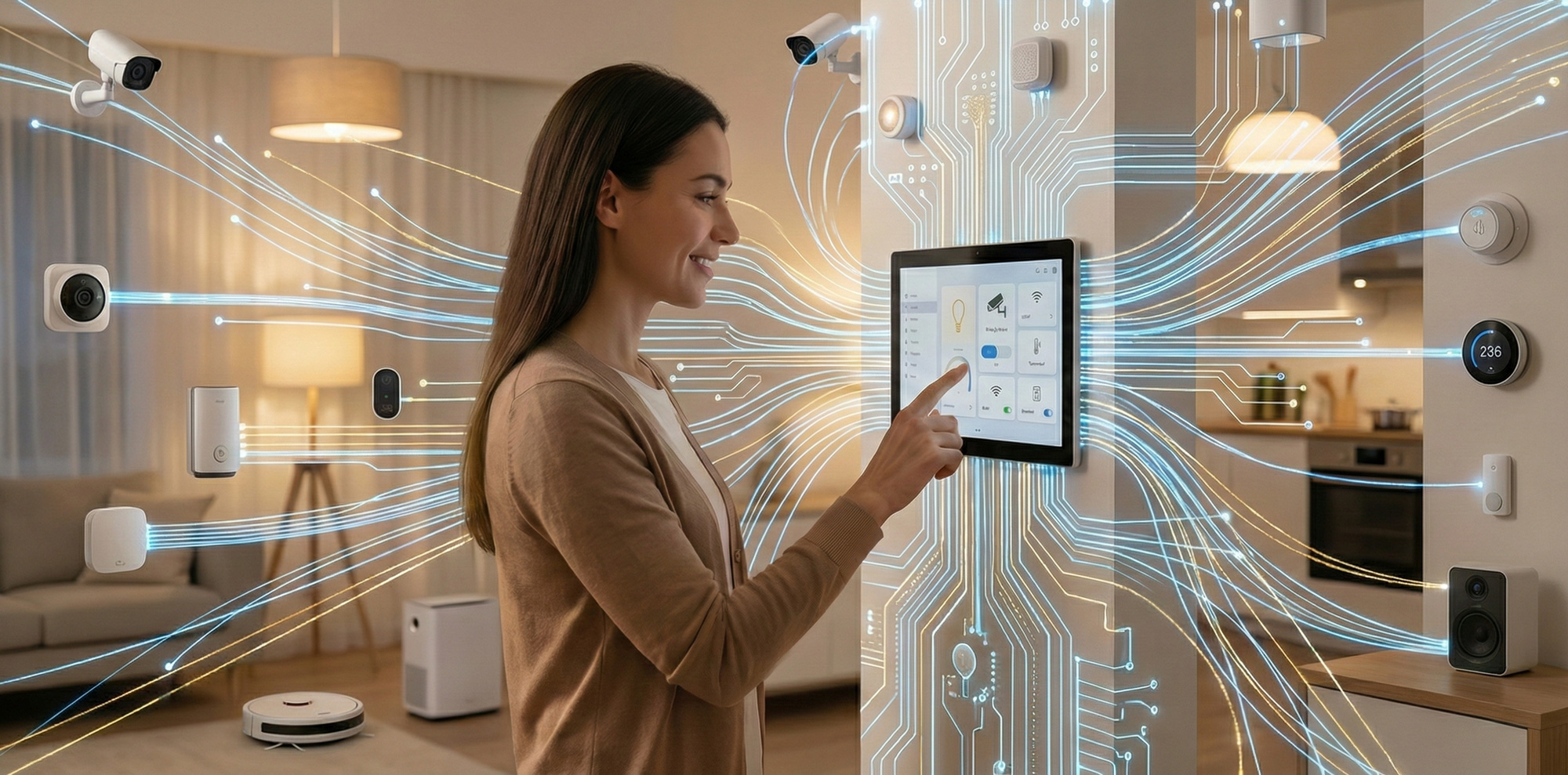
A smart home is not a collection of gadgets. It is a distributed system.

Every switch, sensor, camera, speaker, blind, and automation controller relies on the network to communicate. When the network is unstable, everything built on top of it becomes unpredictable.

This is why two homes using the same devices can have completely different outcomes:

  • One works quietly and reliably for years
  • The other drops out daily and frustrates everyone who lives there

The difference is not the brand. It is the network design.

Why Wi-Fi dropouts break automations

Automations assume one thing above all else: consistency.

When the network drops packets, fluctuates in latency, or forces devices to reconnect, automations fail in subtle but damaging ways:

  • Motion sensors trigger late or not at all
  • Lights turn on after you have already left the room
  • Scenes partially execute, leaving the house in the wrong state
  • Voice commands work sometimes, then fail without warning

These failures rarely produce clear error messages. Instead, the system slowly becomes untrustworthy.

Once that happens, homeowners stop using automations entirely.

Why ISP routers are not designed for modern homes

Most internet service provider routers are built for one job only: getting an internet connection online quickly and cheaply.

They are not designed for:

  • Dozens of always-connected devices
  • Real-time automation traffic
  • Multi-level homes
  • Dense apartment environments
  • Security segmentation or long-term stability

Common problems we see repeatedly include:

  • A single access point trying to cover an entire home
  • Routers hidden in cupboards or garages
  • No separation between IoT devices and personal devices
  • Consumer hardware operating permanently at its limits

These routers are fine for email and streaming. They are not suitable as the backbone of a whole-home automation system.

Apartments vs detached homes: different challenges, same root cause

Smart home networking challenges vary depending on the type of property, but the underlying issue is always the same: poor network architecture.

Apartments

  • Reinforced concrete severely blocks Wi-Fi signals
  • ISP equipment is often locked inside metal cabinets
  • Neighbouring networks create heavy interference
  • Space constraints limit hardware placement

Detached homes

  • Multiple levels require carefully planned coverage
  • Older construction materials block signals unpredictably
  • Outdoor zones extend the network beyond the building
  • Legacy wiring introduces hidden bottlenecks

In both cases, adding a stronger router or mesh kit is guessing, not engineering.

Why automation should never be built on a weak foundation

This is the core AST principle:

You do not automate first. You engineer the foundation first.

When automation is layered onto an unstable network, every future upgrade becomes harder, more expensive, and more fragile. Over time, the system accumulates technical debt until it collapses under its own complexity.

When the network is engineered properly from the beginning:

  • Devices remain consistently connected
  • Automations execute instantly and predictably
  • Systems scale without breaking
  • New features can be added with confidence

This is the difference between a smart home that impresses on day one and one that quietly works every day for years.

What a reliable smart home actually requires

A dependable smart home starts with a few non-negotiables:

  • A network designed for the homes layout and materials
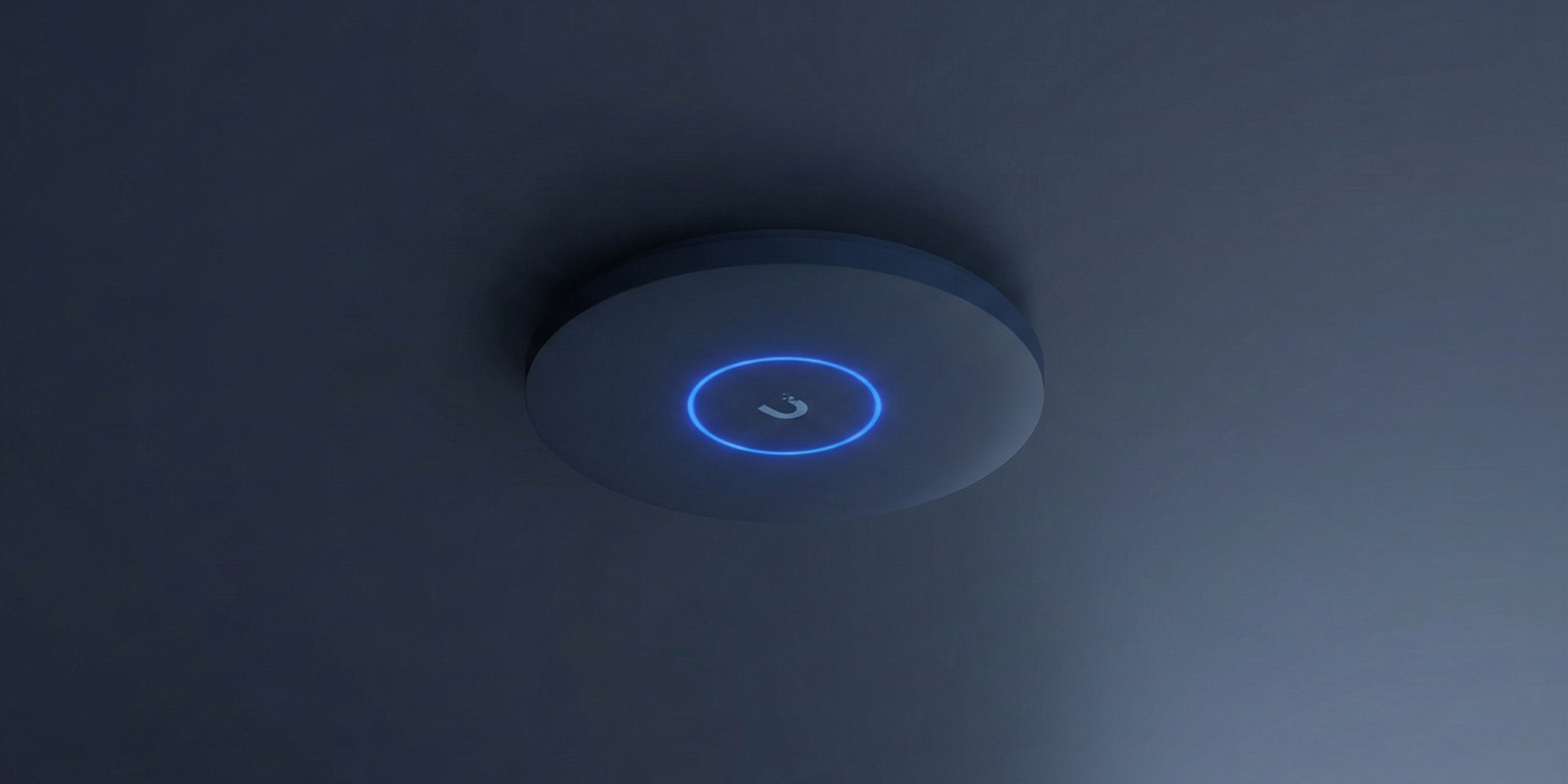
  • Enterprise-grade hardware configured for stability
  • Proper access point placement based on signal behaviour
  • Segmentation and security for different device types
  • Local automation that does not collapse when the internet drops

Only once this foundation exists does it make sense to unify devices and build automations that genuinely feel effortless.

The AST perspective

When clients tell us their smart home is unreliable, we rarely touch the automations first.

We start by measuring the network.
We identify where signals fail.
We fix the foundation before adding complexity.

Because good engineering eliminates uncertainty. Poor engineering creates it.

A smart home that works is not magic. It is structure, discipline, and a foundation built properly from the ground up.

SMART HOME SYSTEMS, SIMPLY ENGINEERED
Every home is different. The right outcome comes from understanding the whole system — not just the technology. We help homeowners make informed decisions, design reliable foundations, and bring smart home systems together in a way that feels intuitive, dependable, and future-ready.
Arrow right icon
z
z
z
z
i
i
z
z
Ready for a smart home that simply works?
Engineering clarity for smart homes that actually work.