SMART HOME SYSTEMS

Safety & Environment

Protecting a home isn't about alarms alone — it's about early detection, clear insight, and systems that respond before damage or danger escalates.
Cutaway view of a modern two-story house with colored zones highlighting kitchen, garage, bathroom, bedroom, and living room with connected home safety icons.
s
s
g
u
z
d
d
g
s
r
Safety systems—engineered to work as one
Most homes rely on disconnected smoke alarms, standalone leak sensors, or basic alerts that offer little context or coordination.

AST designs safety and environmental systems as part of a unified platform — where sensors, notifications, and automated responses work together reliably.By integrating detection, alerting, and control into one system, safety becomes proactive, measurable, and dependable — not reactive or fragmented.
c
e
a
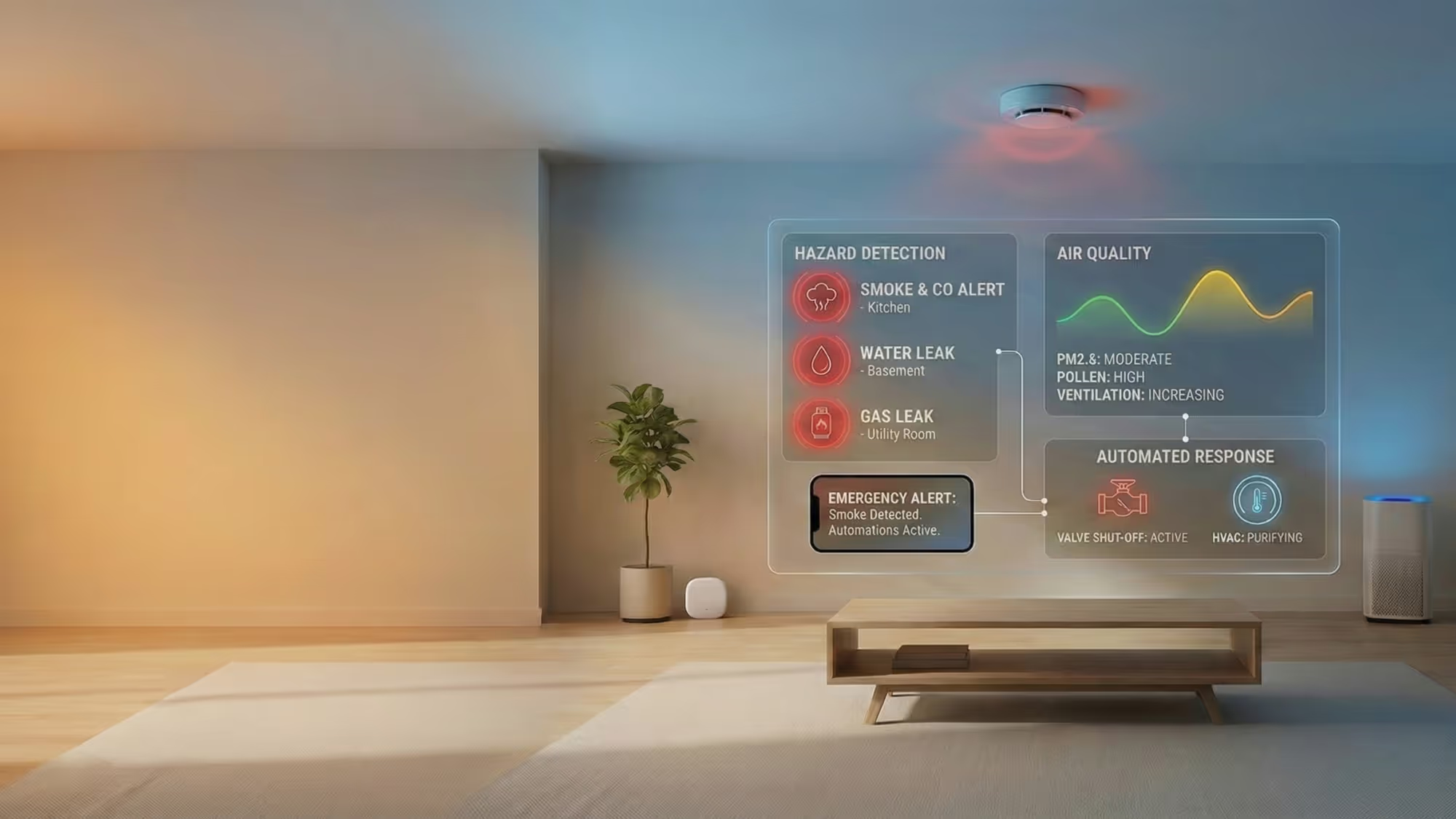
Modern living room with smart safety system alerts projected on the wall showing smoke, water, and gas leak hazards, air quality graph, and automated HVAC response.
Why integrated safety monitoring matters
Environmental risks don't announce themselves clearly. Smoke develops quietly. Water leaks start small. Carbon monoxide is invisible. Fragmented devices often alert too late — or not at all.

AST designs integrated safety systems that detect early indicators, verify events across multiple sensors, and trigger appropriate responses automatically — while keeping you informed, without noise or false alarms.

Typical outcomes include:
Early detection, not damage control
Fewer false alarms
Clear alerts with real context
Automated protective actions
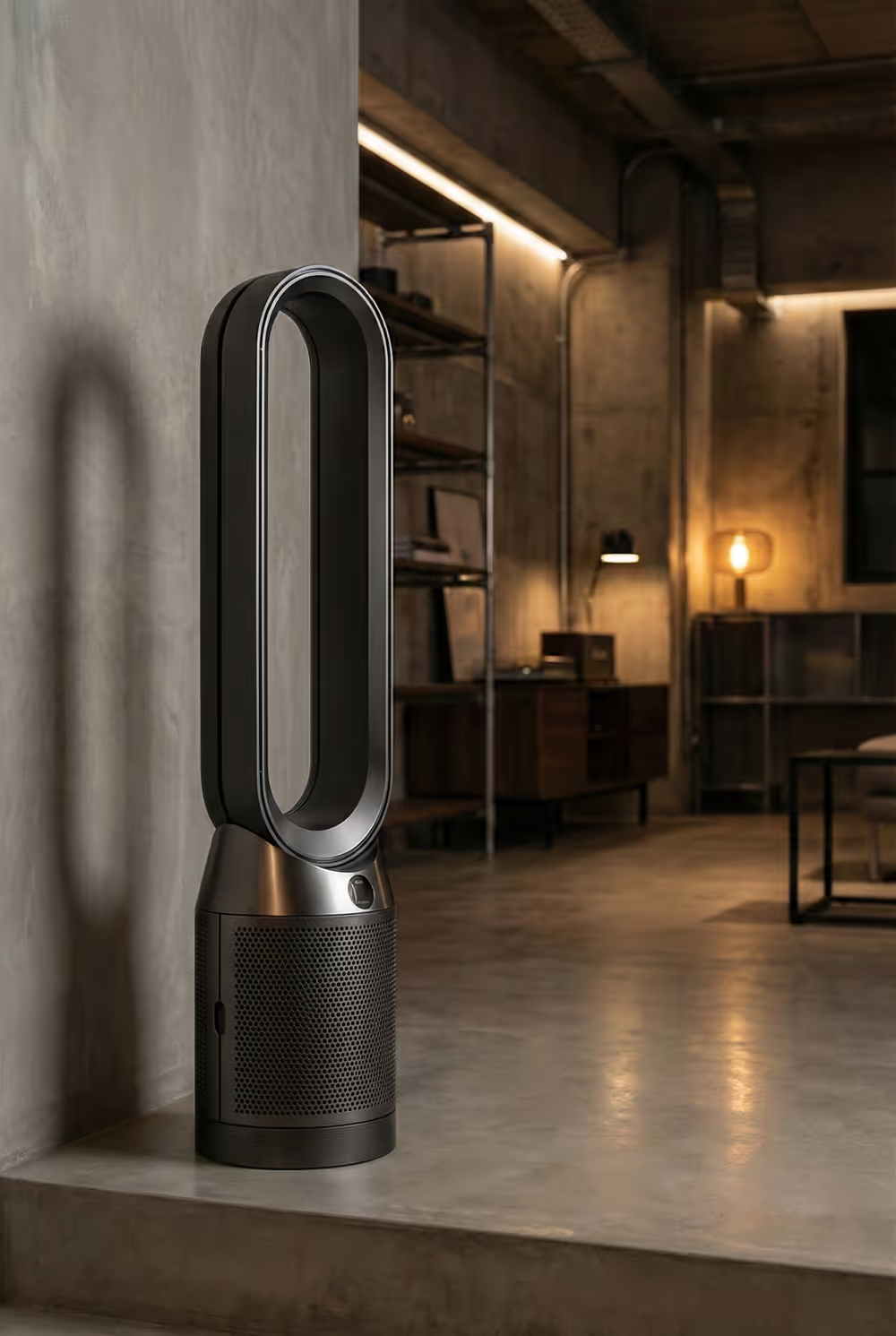
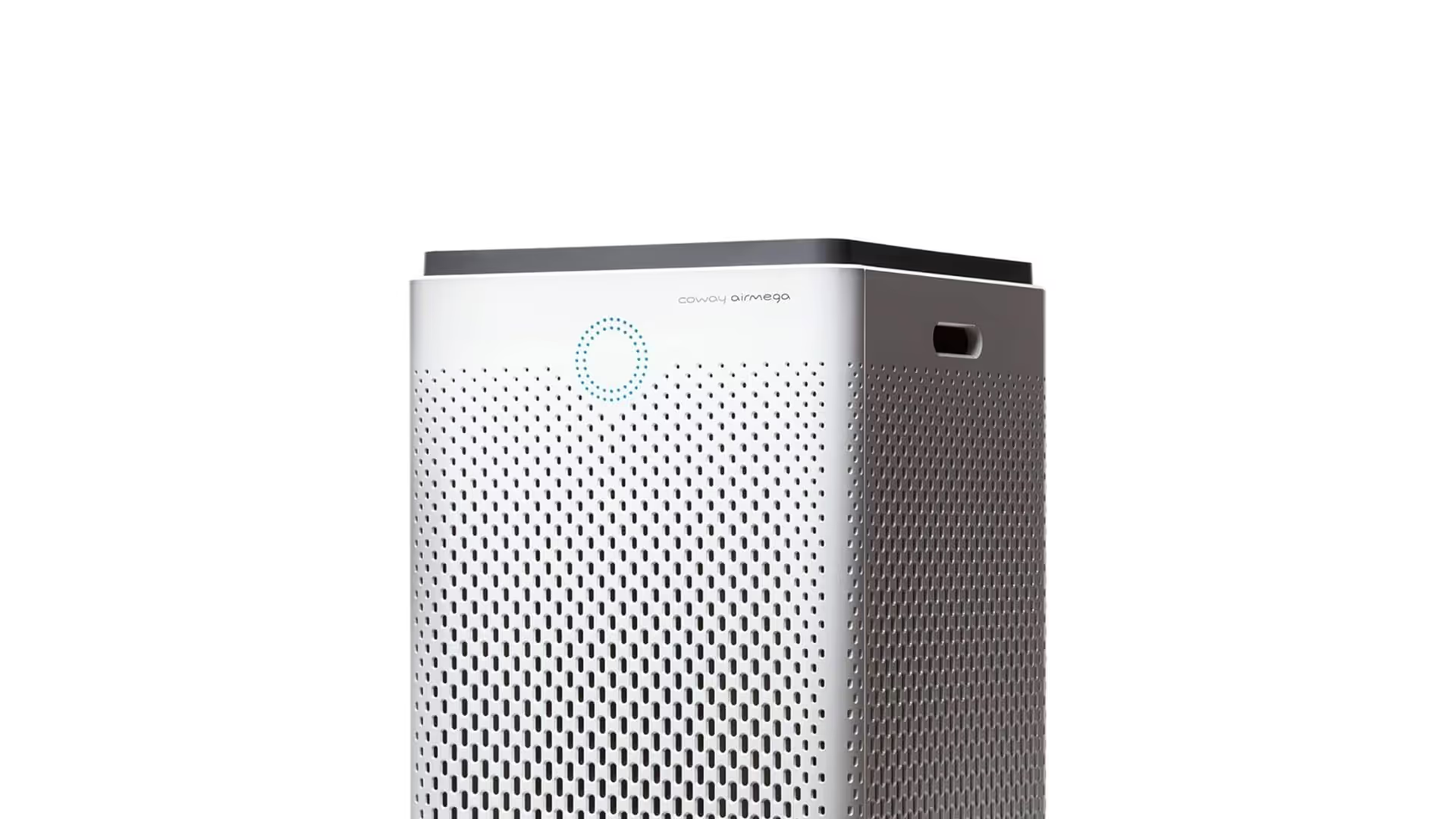
Modern bladeless tower fan placed on a concrete floor in an industrial-style room with dim warm lighting.
Smart safety integration
AST integrates safety and environmental monitoring into the same unified platform that manages your home's other systems — allowing intelligent responses instead of isolated alerts.
Capabilities include:
Black and white stylized flame icon.
Smoke, fire & heat detection
White cloud-shaped thought bubble icon on a transparent background.
Carbon monoxide monitoring
Three white water droplets of different sizes on a black background.
Water leak & moisture sensing
Icon showing three water drops above three wavy lines representing water or liquid.
Flood detection (internal & external)
White icon of a central circle with four pairs of curved lines radiating outward, representing a wireless signal or sensor.
Environmental condition tracking
White gear with circular arrows around it, representing automation or process cycle.
Automated response triggers
Each system is selected, placed, and configured based on real risk — not generic coverage.
Safety systems we commonly integrate
AST works with proven safety and environmental monitoring brands chosen for reliability, accuracy, and long-term support — not consumer-grade alarms or isolated sensors.

We prioritise manufacturers that design for continuous operation, low false alarms, and seamless system integration, allowing safety signals to become part of a broader, intelligent response across the home.

These platforms are selected based on how well they integrate into a unified control environment, rather than how they operate as standalone products.
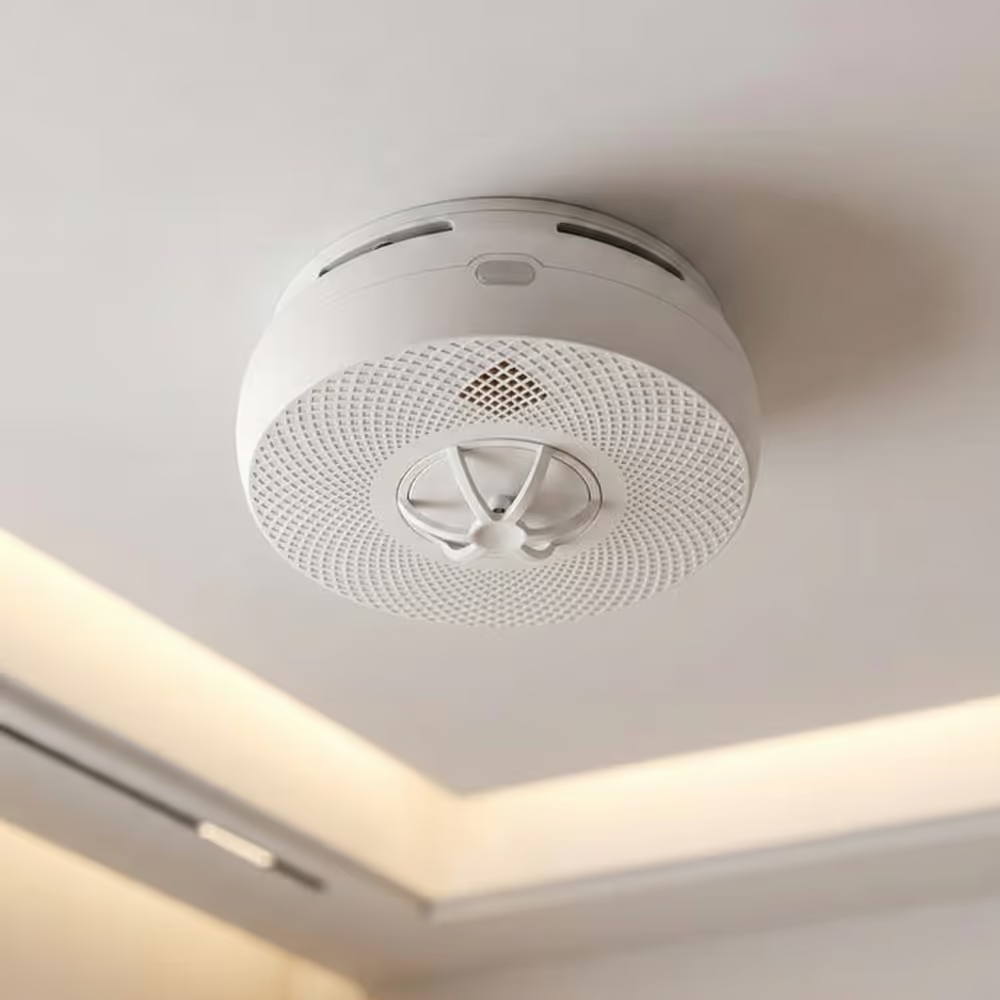
White smoke detector mounted on a ceiling near recessed lighting.
All supported brands are integrated into a single, accountable system, with unified alerting, escalation, and automated response — not separate apps or disconnected notifications.
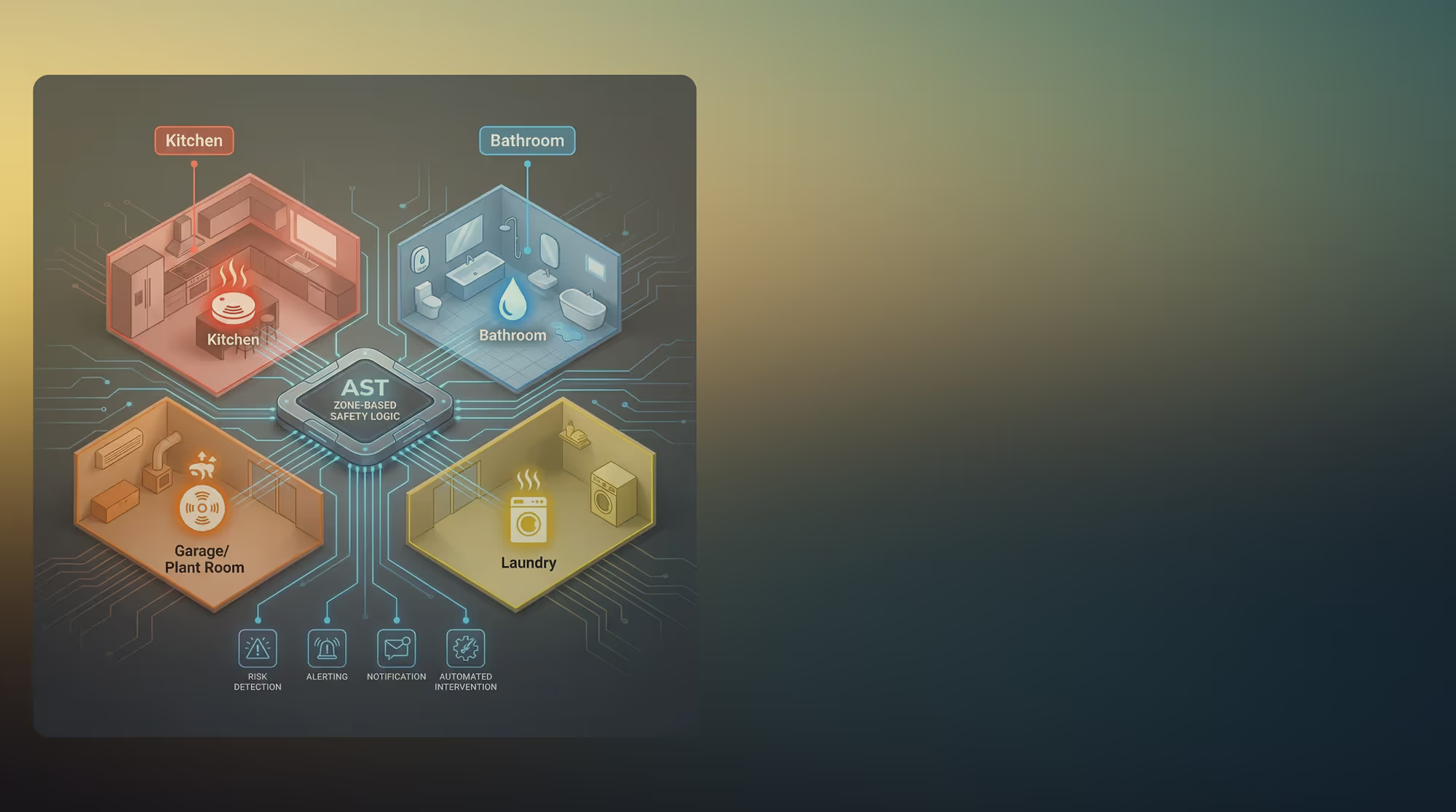
Diagram illustrating AST zone-based safety logic connecting kitchen, bathroom, garage/plant room, and laundry with icons for risk detection, alerting, notification, and automated intervention.
Zone-based safety control, done properly
Not all areas of a home carry the same risk. Kitchens, bathrooms, plant rooms, garages, and laundry spaces require different detection thresholds and responses.

This prevents nuisance alerts while ensuring real issues are acted on immediately.

AST designs zone-based safety logic that understands:
Where risks exist
What type of alert is appropriate
When to notify occupants
When to automatically intervene
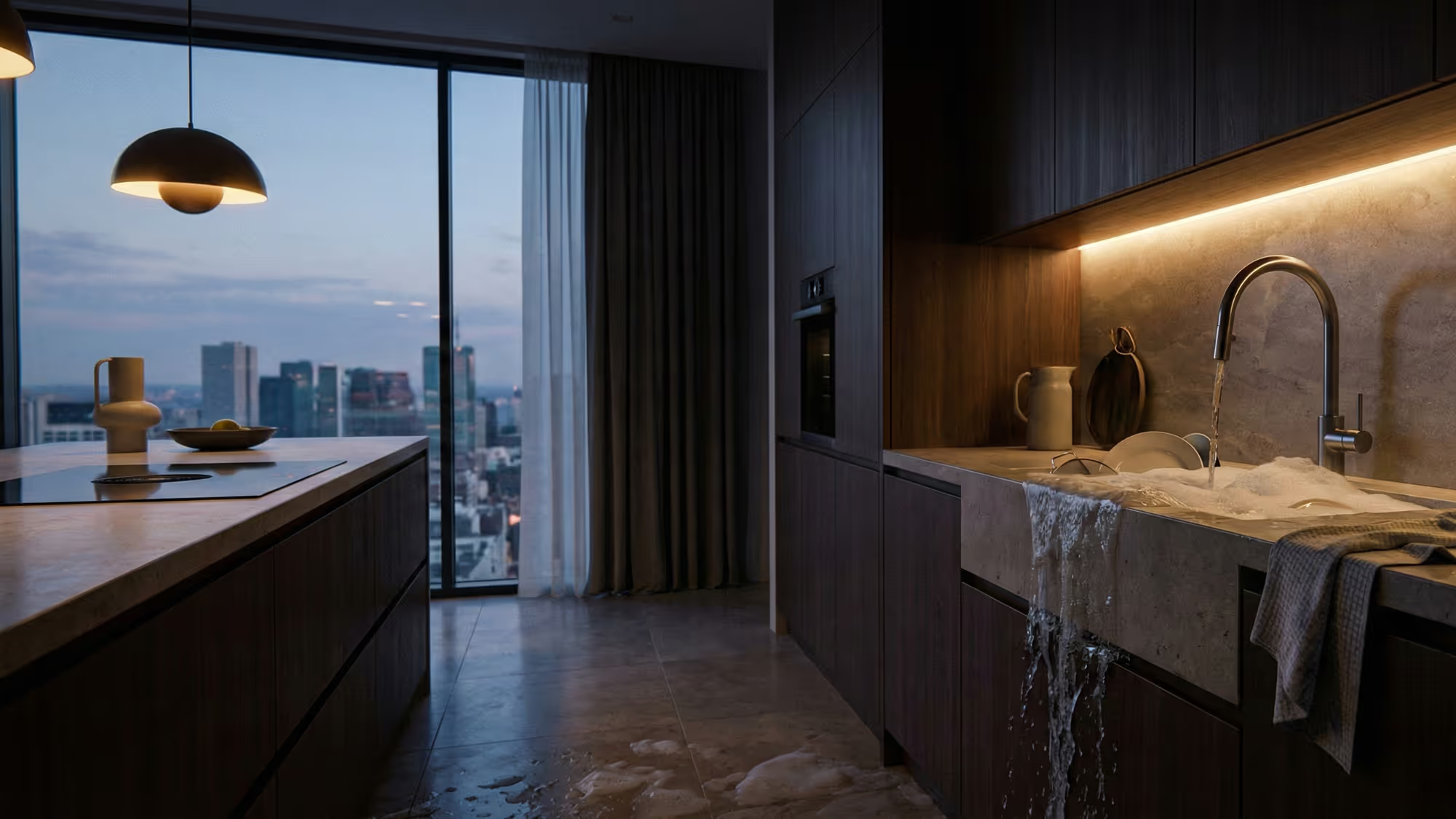
Modern kitchen with large window overlooking city, showing overflowing sink with water spilling onto floor.
Alerts that escalate intelligently
AST avoids noisy, meaningless notifications. Instead, alerts are prioritised, escalated, and verified.

Examples include:
Leak detected → shut off water supply
Smoke detected → isolate HVAC and notify occupants
CO detected → activate ventilation and issue urgent alerts
Flood detected → trigger pumps and send priority notifications
QUIET RELIABILITY
A safer, more resilient home — engineered properly
Integrated safety systems don't just protect property — they reduce stress, prevent damage, and provide confidence that the home is being monitored continuously and intelligently.

AST designs safety and environmental monitoring with the same discipline applied to networks, automation, and control — so protection is proactive, not reactive.
z
z
z
z
i
i
z
z
Ready for a home that protects itself automatically?
If your safety systems feel fragmented, unreliable, or incomplete, a professional assessment can identify the risks.